

1 kg bärbar torrpulver brandsläckare
Cat:DCP/FOAM/WATER Fire släckare
Den 1 kg bärbara torrpulverbrandsläckaren är en säkerhetsanordning som används för att lägga ut små bränder i nödsituationer. Dess yttre skal är ti...
Se detaljer
+86 13857576559
Den viktigaste slutsatsen är att a Kompositgascylinder ger generellt högre slaghållfasthet under extrem lokal kraft på grund av dess fiberlindade struktur, medan en Gascylinder i aluminium presterar bättre i kontrollerade industriella miljöer där effekterna är måttliga och förutsägbara. Men aluminiumcylindrar är mindre benägna att drabbas av katastrofala spröda misslyckanden jämfört med vissa kompositkonstruktioner, vilket gör dem säkrare i vissa fall av oavsiktligt fall.
I praktiska tillämpningar beror valet mellan en aluminiumgascylinder och ett kompositalternativ inte bara på slaghållfasthet utan också på användningsförhållanden, gastyp och hanteringsfrekvens.
De strukturella skillnaderna mellan aluminium och kompositmaterial påverkar avsevärt hur de reagerar på fysisk påverkan. En gascylinder av aluminium är vanligtvis gjord av en enda smidd eller extruderad metallkropp, vilket gör att den kan deformeras plastiskt under påkänning. Detta innebär att när den tappas tenderar den att buckla snarare än att splittras.
Däremot är kompositcylindrar konstruerade med skiktad fiberförstärkning över en liner. Denna struktur fördelar stress effektivt men kan vara känslig för skarpa stötar som bryter fiberkontinuiteten. Även om kompositer motstår penetration väl, kan de drabbas av dolda inre skador som är svårare att upptäcka.
I industriella gassystem som t.ex aluminium co2 cylinder , är detta duktila beteende högt värderat eftersom det förhindrar plötslig bristning under oavsiktliga fall.
Slaghållfastheten kan utvärderas i termer av falltester, punkteringsmotstånd och energiupptagningsförmåga. Aluminiumcylindrar tål vanligtvis fall från höjder på 1,2 till 1,8 meter utan katastrofala fel, även om ytbucklor är vanliga.
| Egendom | Gascylinder i aluminium | Komposit gascylinder |
|---|---|---|
| Drop Impact Response | Bucklor och deformeras | Kan spricka eller delaminera |
| Energiabsorption | Måttlig till hög | Hög men lokaliserad felrisk |
| Felläge | Gradvis deformation | Plötsliga strukturella skador |
Dessa skillnader visar att även om kompositmaterial kan motstå högre slagenergi, ger aluminium ett mer förutsägbart deformationsbeteende, vilket ofta är säkrare i industriella hanteringsmiljöer.
I verkliga verksamheter handlar säkerhet inte bara om att motstå påverkan utan också om beteende efter kollisionen. En gascylinder i aluminium tenderar att visa synliga skador efter stöten, vilket gör inspektionen enkel. Operatörer kan enkelt identifiera en komprometterad cylinder och ta den ur drift.
Kompositcylindrar kan dock dölja inre fiberskador som inte är synliga externt. Detta kan introducera osäkerhet vid långvarig användning, särskilt i högfrekventa hanteringsmiljöer som en aluminiumkväveflaska används i laboratorie- eller industriella gaslagringssystem.
Därför, även om kompositcylindrar kan motstå högre slagkraft, ger aluminiumcylindrar bättre transparens vid säkerhetsinspektion.
Lämpligheten för varje cylindertyp beror på driftsförhållandena. Aluminiumcylindrar används i stor utsträckning i miljöer där det finns måttlig påverkan, men det är viktigt att underhålla dem. Kompositcylindrar är att föredra i lätta transportapplikationer.
I industriella gaslagringssystem väljs ofta aluminiumcylindrar på grund av deras hållbarhet och förutsägbara deformation. Till exempel system som använder en aluminiumkväveflaska dra fördel av minskad inspektionskomplexitet.
Kompositcylindrar föredras ibland i bärbara medicinska tillämpningar eftersom minskad vikt förbättrar rörligheten. Aluminium är dock fortfarande vanligt på grund av dess balans mellan kostnad och säkerhet.
Under transport kan aluminiumcylindrar utstå upprepade hanteringsstötar utan katastrofala fel, medan kompositcylindrar kräver mer noggrann förpackning för att undvika strukturella fiberskador.
Ur ett livscykelperspektiv är aluminiumcylindrar generellt sett mer kostnadseffektiva på grund av enklare inspektions- och reparationsprocesser. Kompositcylindrar har ofta högre initiala kostnader och kräver specialiserade inspektionstekniker.
Underhållsfördelen med aluminium blir särskilt viktig i system som använder gaser som de som lagras i en aluminium co2 cylinder , där frekvent hantering ökar sannolikheten för påverkan.
Kompositgascylindern kan erbjuda högre teoretisk slaghållfasthet i laboratorietester, men en aluminiumgascylinder ger mer pålitlig och förutsägbar prestanda i verkliga industriella miljöer.
Beslutet bör därför baseras på om prioriteringen är maximal effektabsorbering eller insyn i driftsäkerheten. I de flesta industriella scenarier är aluminium fortfarande det mer praktiska och balanserade valet.
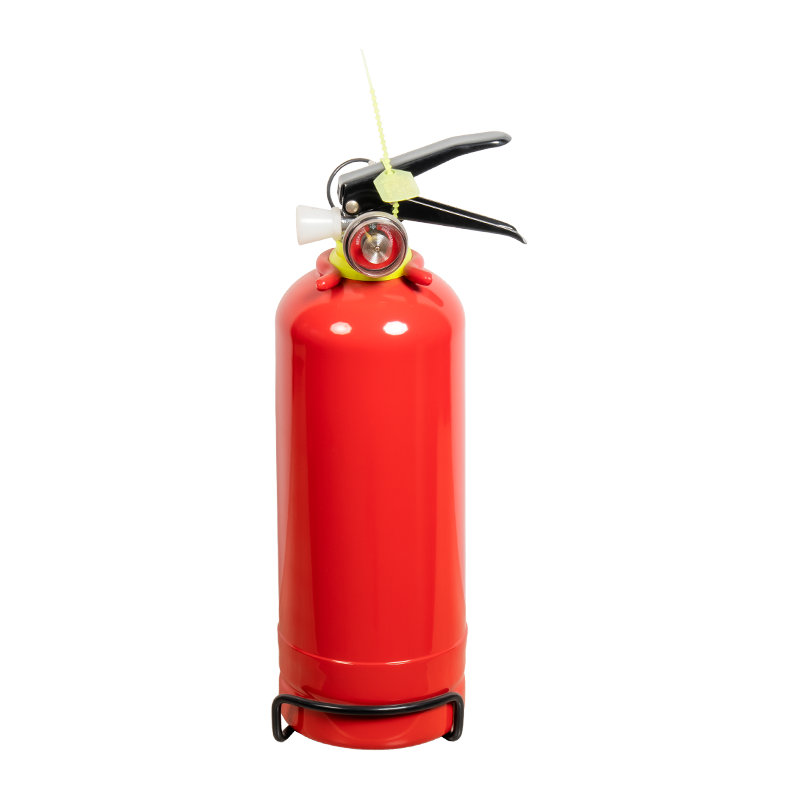
Den 1 kg bärbara torrpulverbrandsläckaren är en säkerhetsanordning som används för att lägga ut små bränder i nödsituationer. Dess yttre skal är ti...
Se detaljer
Den 6 kg bärbara bärbara torrpulverbrandläckaren på rostfritt stål är en brandsläckningsanordning som är lämplig för att släcka olika små bränder. ...
Se detaljer
8 kg hängande brandsläckare kan installeras på väggen eller taket, fixerade av krok eller konsol, vilket gör det enkelt att snabbt komma åt och arb...
Se detaljer
Den 3 kg bärbara stålbrandsläckaren är en brandbekämpningsanordning utformad för att hantera alla typer av bränder. Tillverkad av CK45-stål, det är...
Se detaljer
Den 5 kg brandbekämpande koldioxidbrandsläckaren kan arbeta i ett brett temperaturområde, från -30 ° C till 60 ° C, för att tillgodose brandbekämpn...
Se detaljer
Den 2 kg bärbara CE -brandsläckaren är en brandbekämpningsanordning utformad för snabbt svar och släckning av små bränder. Den är gjord av höghållf...
Se detaljer
5 kg CO2 CE -släckaren är lämplig för en mängd olika applikationer, inklusive i fabriker, produktionslinjer och lager. 5 kg CO2 -släckaren används ...
Se detaljer
Den 5 kg bärbara aluminiumbrandsläckaren är en effektiv och pålitlig brandsläckningsutrustning som är lämplig för brandskyddsbehov på olika industr...
Se detaljer
Den 10 kg stålvagnsmonterade CO2-brandsläckaren är ett bärbart brandbekämpningsverktyg som består av en stor stålcylinder med en kapacitet på 10 kg...
Se detaljer
Den 25 kg vagnen Mobile Fire-släckaren är en brandbekämpningsutrustning med hög kapacitet utformad för storskaliga bränder. Den har mekanisk styrka...
Se detaljer
Zhejiang Yongshang Pressure Vessel Co., Ltd. Det grundades 2016. Det är ett modernt företag som integrerar FoU, produktion och försäljning, specialiserat på produktion av torrt pulver, vagnar, koldioxidbrandsläckare, sömlösa stålflaskor och aluminiumflaskor.

+86 13857576559


Zhuhai Village, Gaibei Town, Shangyu District, Shaoxing City, Zhejiang Province, Kina
Upphovsrätt © Zhejiang Yongshang Pressure Vessel Co., Ltd.
